Our Approach to Safety
Remote float trips require preparation and awareness — and we take that responsibility seriously on every trip. Safety is not a marketing statement. It is how 30-plus years of operating in genuine Alaska wilderness gets built. Every decision on every trip — what water to run, when to make camp, how to handle a situation — starts with safety.
Our overall approach to safety · Safety equipment carried on every trip · Bear and wildlife protocols · Satellite communications and emergency planning · Medical evacuation insurance · What guests need to know before arriving.
Your guides have extensive experience leading groups through the remote Alaskan wilderness. They know local wildlife, they can read rivers, and they know how to identify hazards before they become problems. Every guide on an Alaska Rainbow Adventures trip is certified in CPR and first aid. When conditions call for a conservative decision — avoiding high water, cutting a float day short, changing camp location — your guides make that call without hesitation.
Before every trip departs, your guides conduct a thorough safety briefing covering PFD use, river protocol, wildlife awareness, camp procedures, and what to do in any emergency situation. You will leave that briefing knowing exactly what to expect and what is expected of you.
Every guide is CPR and first aid certified, experienced in Alaskan wilderness leadership, and knowledgeable about local hazards, wildlife behavior, and river conditions. Experience in this environment is not something you can simulate — your guides have earned it on the water.
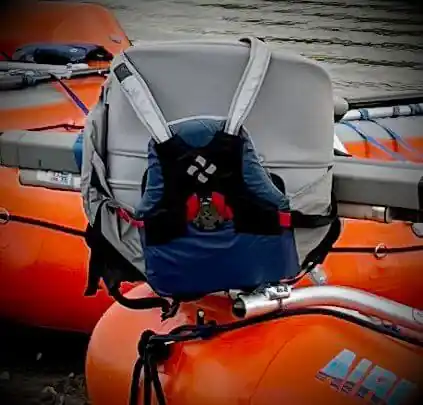
High-quality rafts, camping gear, and safety equipment specifically chosen for Alaskan conditions. Personal flotation devices are provided for all guests and worn on the river. Equipment is inspected and maintained before every trip season.
Before you push off, your guides walk through everything — PFD use, river hazards, wading protocol, wildlife awareness, bear encounter procedures, and emergency protocols. You go on the water knowing what to do.
Garmin inReach satellite communicators on every trip. No cell service on these rivers — but you are never out of reach. Two-way messaging and SOS capability provide a direct line to emergency services from anywhere on the float.
You are in bear country. Your guides are experienced in bear safety, carry appropriate bear protection equipment, and know how to manage encounters. Bears are a normal part of the Alaska wilderness — your guides know how to keep them that way.
We avoid fishing in genuinely dangerous conditions — extremely high water, strong sustained winds, situations where the risk is not worth it. Your guides make conservative calls when conditions warrant it. The fishing will be there another day.
Safety Equipment
Remote wilderness trips require expedition-quality safety gear. This is not lodge fishing — there is no staff a radio call away. Everything you need has to be on the raft.
Standard Safety Gear on Every Trip
- Personal Flotation Devices (PFDs): Provided for every guest. Worn on the river at all times. Non-negotiable.
- Garmin inReach Satellite Communicator: Two-way satellite messaging and SOS capability. Works everywhere on the float, no cell service required.
- Bear Protection Equipment: Appropriate bear deterrent equipment carried by guides on all trips. Your guides are trained in its use and in bear encounter protocols.
- First Aid Kit: Comprehensive wilderness first aid kit on every trip. Guides are CPR and first aid certified.
- Self-Bailing Rafts: High-quality, purpose-built expedition rafts designed for Alaskan river conditions. Inspected and maintained before every season.
- Throw Bags: Rescue throw bags on all rafts for swift-water rescue situations.
- Dry Bags and Waterproofing: Critical gear — sleeping bags, extra clothing, medications — packed in waterproof systems throughout the float.
Personal bear spray canisters from guests are not needed and create handling complications on floatplanes. Bear safety on Alaska Rainbow Adventures trips is managed by your guides with appropriate equipment. Leave your personal canister at home — it is covered. See the packing page for the full prohibited items list.
Bears & Wildlife Safety
Southwest Alaska has healthy populations of brown bears. You will likely see them. This is part of the experience — not a reason for concern if you are prepared and with experienced guides.
Brown bears in Southwest Alaska are accustomed to salmon rivers and in many cases are tolerant of humans fishing the same water. Your guides have extensive experience with bears in this environment — they know bear behavior, how to read a situation, and how to manage encounters in a way that keeps both people and bears safe.
Camp protocol is a significant part of bear safety on any wilderness float. Food storage, camp layout, and daily routines are all structured to minimize bear attractants and encounters in camp. Your guides will walk you through camp protocols on the first evening.
What to Expect in Bear Country
- You will likely see bears. Fishing the same rivers, walking the same banks. This is normal in Southwest Alaska and part of what makes these rivers remarkable.
- Your guides manage the situation. They read bear behavior, know when a bear is a concern and when it is not, and carry appropriate protection. Follow their lead without hesitation.
- Camp is structured for safety. Food, cooking gear, and scented items are stored and managed specifically to avoid bear attractants at camp. Your guides establish and enforce camp protocols.
- Do not approach or feed bears. This is Alaska wilderness. Bears encountered on these rivers are wild animals. Observe from appropriate distances — your guides will tell you what is appropriate.
- Make noise when moving through brush. Surprising a bear is a much bigger risk than encountering one that knows you are coming. Your guides will cover this in the pre-trip briefing.
Satellite Communications
There is no cell service on any of the rivers Alaska Rainbow Adventures floats. The nearest road is often 100 or more miles away. Satellite communications are not optional — they are how you reach the outside world if you need to.
Every Alaska Rainbow Adventures trip carries a Garmin inReach satellite communicator. This device provides two-way messaging over the Iridium satellite network — you can send and receive messages from anywhere on the float, regardless of cell coverage. In a genuine emergency, the inReach can trigger a global SOS response directly to the GEOS International Emergency Response Coordination Center, which coordinates with local search and rescue authorities.
Your family at home can track the trip’s progress using the Garmin MapShare feature, which shows your location in real time. This is one of the things that gives people back home peace of mind while you are on the river.
Cell phones do not work on these rivers. Bring one if you want to use it as a camera, but do not count on cellular communication for anything during the trip. The inReach is your communications link to the outside world.
Medical Evacuation Insurance
Travel insurance including medical evacuation coverage is required for all Alaska Rainbow Adventures trips. This is not a suggestion.
A floatplane medevac from a remote Southwest Alaska river to a hospital in Anchorage can cost tens of thousands of dollars — and that is before any hospital costs. Without medevac insurance, a serious injury in the field creates a financial emergency on top of a medical one. Medical evacuation coverage eliminates that risk entirely for a very small cost relative to your overall trip investment.
We strongly recommend a comprehensive travel insurance policy that includes trip cancellation, interruption, medical coverage, and emergency evacuation. Policies from providers such as IMG Global, iTravelInsured, Travelex, and similar companies are appropriate for this type of trip. Cover the full cost of your trip, your airfare, and include medical evacuation with no sub-limits on evacuation coverage.
Purchase your policy shortly after making your deposit — many policies require purchase within a specified window of your initial trip payment to qualify for pre-existing condition coverage and other benefits. Do not wait until the week before your trip.
The travel insurance page covers what to look for in a policy, what types of coverage matter for an Alaska float trip, and general guidance on policy selection. Read it before you book.
Your Role in a Safe Trip
Safety on a remote wilderness trip is a shared responsibility. Your guides handle the technical and environmental risks. There are things only you can do.
-
1Follow Your Guides’ Instructions
This is the single most important thing. Your guides know these rivers. When they tell you not to wade a particular stretch, there is a reason. When they say it is time to get off the water, it is time. They are not being cautious for the sake of it — they are reading conditions you may not be able to read yet.
-
2Disclose Medical Conditions
Before your trip departs, tell Paul and your guides about any medical conditions, physical limitations, or medications you are taking. This information stays confidential but is essential for your guides to know — especially in a remote setting where evacuation takes time. Bring all necessary medications in adequate supply for the full duration of the trip, plus extra.
-
3Arrive in Reasonable Physical Condition
Alaska float trips involve wading in current, walking on uneven riverbanks, and some camp setup depending on your program. You do not need to be an athlete, but arriving in reasonable physical condition makes the trip safer and more enjoyable. If you have concerns about the physical demands of the trip, discuss them with Paul in advance.
-
4Pack and Dress for the Weather
Alaska weather changes fast. The packing page covers the layering system in detail. Coming to the river in cotton or without adequate rain gear is a safety issue, not just a comfort one. Cold and wet in a remote environment is a problem. Pack correctly and wear your layers when conditions call for it.
-
5Wear Your PFD on the Water
Personal flotation devices are provided and worn on the river. No exceptions. Alaska rivers are cold — cold water incapacitates swimmers far faster than most people expect. A PFD is the difference between a swim and a catastrophe. Your guides will make sure yours fits correctly at the pre-trip briefing.
-
6Purchase Travel & Medevac Insurance
Required for all trips. See the travel insurance page for guidance on what to purchase and when. Do this shortly after your deposit, not the week before you leave.
If you have concerns about safety, physical demands, medical conditions, or anything else about your readiness for an Alaska float trip — contact Paul directly before you book. He has been asked every question there is and will give you a straight answer on whether the trip is the right fit for your situation.
More Trip Planning Resources
Safety is one part of preparing for a remote Alaska float trip. These pages cover the rest.
Ready to Plan Your Trip?
Safety questions, physical condition concerns, medical situations — Paul has heard them all and gives straight answers.